General Contractor: Your Optimal Partner for Household Endeavors
A general contractor assumes a fundamental role in home projects. They manage various aspects of construction, ensuring that everything runs smoothly. Their expertise with construction codes and regulations allows them to navigate the complexities of permits and evaluations. This expert functions as a key connection between clients and specialist contractors. Yet, many homeowners remain unclear about the full scope of their services. Understanding these facts can have significant bearing on the success of any renovation project effort.
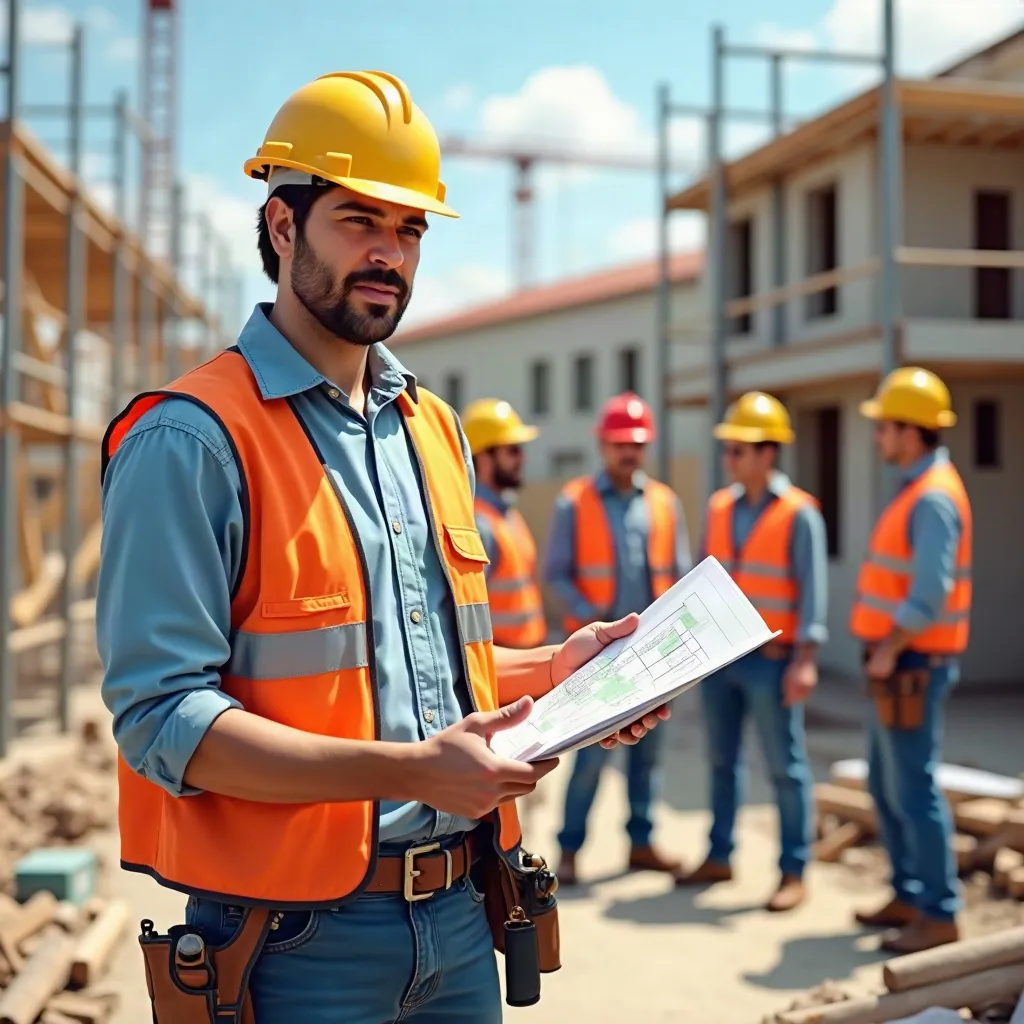
How Do a General Contractor Contribute?
A construction leader directs the various elements of a construction project, ensuring that everything runs smoothly from start to finish. They perform as the leading contact point, managing exchanges between clients, subcontractors, and material sources. This role involves designing the execution plan, coordinating supporting information labor, and securing observance with state and local building regulations and regulations.
General contractors are in charge of acquiring required licenses and arranging inspections, which are vital for upholding safety and quality benchmarks. They also handle budget planning, material procurement, and overseeing site operations to prevent any possible setbacks or complications. In addition, they oversee subcontractors, making sure that each phase of construction conforms to project specifications and timelines. Overall, a general contractor's expertise and organizational skills are crucial for completing a successful construction project, transforming a client's vision into reality while balancing multiple tasks and responsibilities.
Advantages of Choosing a General Contractor for Residential Renovation Projects
Bringing on a a general contractor for property remodeling offers numerous benefits that can substantially enhance the efficiency and quality of the renovation. Experienced contractors bring knowledge in project management, ensuring deadlines are honored and resources are allocated efficiently. Their strong relationships with subcontractors can lead to better pricing and excellent quality, which in the end saves homeowners money and time.
Furthermore, project managers address the complex elements of approvals and reviews, limiting potential legal issues. They also deliver a single point of contact, facilitating interaction and management among various trades. This consolidation lowers the probability of misunderstandings and delays.
In addition, their experience enables them to recognize emerging challenges, facilitating proactive solutions to keep the project on track. By contracting a general contractor, homeowners can devote attention to their vision while savoring peace of mind, knowing that a professional is overseeing every aspect of the renovation.
Dispelling Common Myths Surrounding Builders
Many property owners may have incorrect ideas about contracting professionals, but understanding the realities can lead to more informed decisions. A common myth is that hiring a contractor is unnecessary for small projects; yet, their expertise can make easier even small-scale renovations, ensuring alignment with local codes. Another common belief is that general contractors are simply middlemen, but they usually possess extensive knowledge in various trades, allowing them to supervise projects successfully. Furthermore, some homeowners think that collaborating with a contractor will dramatically raise costs. In truth, a skilled contractor can often attain better pricing for materials and labor due to firm relationships with suppliers and subcontractors. Lastly, many believe that contractors are inflexible, but esteemed contractors emphasize client communication and work closely to fulfill tailored needs. Debunked myths can empower homeowners to make the most of the true value of general contractors in completing effective home projects.
Selecting the Right General Contractor?
How can homeowners guarantee they select the ideal general contractor for their projects? The approach begins with comprehensive investigation. Homeowners should seek recommendations from friends, family, or online reviews to find potential candidates. Once a list is created, verifying qualifications, such as licensing, bonding, and insurance, is essential to confirm credibility.
Next, homeowners should ask for and examine portfolios of past projects, focusing on assignments of comparable size. Setting up interviews allows property owners to gauge compatibility, discussing schedules, costs, and requirements. It's also advisable to get several estimates for evaluation, offering a better grasp of costs.
Examining references gives perspective on a contractor's dependability and expertise. Ultimately, relying on your gut feeling is important; an first consultation can uncover a contractor's way of communicating and methodology. By implementing these procedures, homeowners can significantly boost their chances of selecting a general contractor who suits their project needs and vision.
Proven Communication Methods With Your General Contractor
What strategies can homeowners use to guarantee strong dialogue with their general contractor? Creating clear communication from the outset is vital. Homeowners should plainly communicate their desires, project goals, and spending restrictions during opening conversations. Regular updates can be facilitated through scheduled meetings, confirming that both parties remain aligned throughout the project.
Using written documentation, such as email correspondence and project documentation, serves to reinforce spoken commitments and reduces misunderstandings. Homeowners should also promote open dialogue by inviting input and inquiries from the contractor, creating a collaborative environment.
Moreover, utilizing technology, including project management apps, can improve communication by providing a centralized platform for exchanging updates, timelines, and changes. Finally, being courteous and approachable can enhance rapport, making it easier for the contractor to communicate challenges or suggestions effectively. By employing these approaches, homeowners can cultivate a efficient and open partnership with their general contractor.
What You Should Know When Your Project Gets Underway?
When the project gets underway, homeowners should anticipate a surge of activity on-site. The general contractor will oversee groups of qualified craftspeople, including electricians, plumbers, and carpenters, who will begin their work based on the established timeline. Homeowners may spot heavy machinery and materials being delivered, creating a bustling environment.
Open communication is crucial during this stage. The contractor will communicate progress updates and handle any concerns that surface. Homeowners should ready themselves for potential disruptions, such as noise and limited entry to certain areas of the home.
Safety safeguards will be in place to protect both workers and residents, confirming a secure environment. Additionally, homeowners may be encouraged to maintain flexibility, as unexpected circumstances can arise, compelling adjustments to the original plan. Overall, this initial phase creates the conditions for the successful completion of the project, and active engagement is essential.
Basic Questions for Your General Contractor Agreement?
Deciding which queries to pose when wrapping up a general contractor agreement is important for assuring a efficient project. Homeowners should check about the contractor's credentials and insurance to confirm their experience and protection against legal exposure. Understanding the project schedule and phases is significant; therefore, asking about expected completion dates helps align expectations.
It is also vital to establish contractual agreements, including deposit amounts and payment arrangements, to eliminate misunderstandings. Homeowners should require a itemized summary of costs, covering materials and labor, to confirm transparency. Furthermore, exploring the framework for tackling revisions or unforeseen issues can forestall tensions going forward.
To wrap up, homeowners must find out about subcontractors and their experience, as well as the contractor's communication strategy throughout the project. By tackling these questions, property owners can maintain a strong partnership with their general contractor, ultimately enabling a successful home improvement project.
Frequently Asked Questions
In What Fashion Do General Contractors Request Payment for Their Services?
General contractors commonly bill through fixed fees, hourly rates, or a cut of the total project price. Their pricing may further encompass supplies needed, labor, and indirect costs, determined by the project's complexity and scope.
Can a General Contractor Assist With Licenses and Inspections?
Yes, a general contractor can assist with obtaining permits and conducting inspections oversight. They generally navigate local regulations and maintain regulatory adherence, streamlining the process for homeowners while facilitating necessary approvals throughout the building endeavor.
What Credentials Should I Look for in a General Contractor?
When hiring a general contractor, one should review qualifications such as valid licensing, comprehensive insurance, experience in relevant projects, excellent references, and effective communication skills, ensuring they possess the necessary expertise to handle the project successfully.
How Long Does a Common Home Renovation Project Take?
A conventional home remodeling project can consume anywhere from a few weeks to several months, determined by the range, intricacy, and size of the project, as well as the obtainability of materials and labor.
What Occurs if My Undertaking Goes Over Budget?
Should a project go over budget, the builder typically discusses the causes and alternatives with the property owner. Modifications may involve reducing costs, pursuing more funds, or revising the project scope to conform to financial limits.